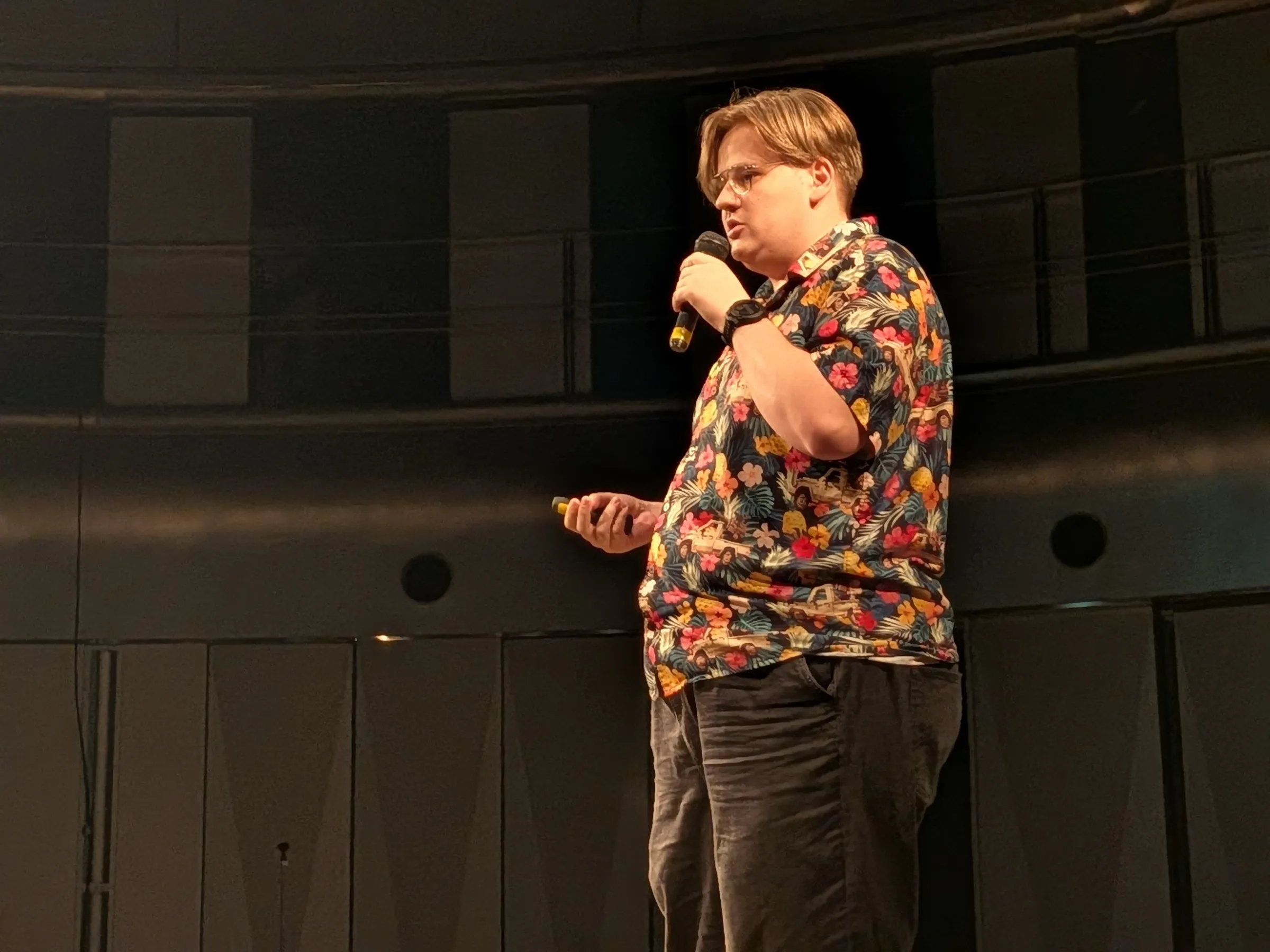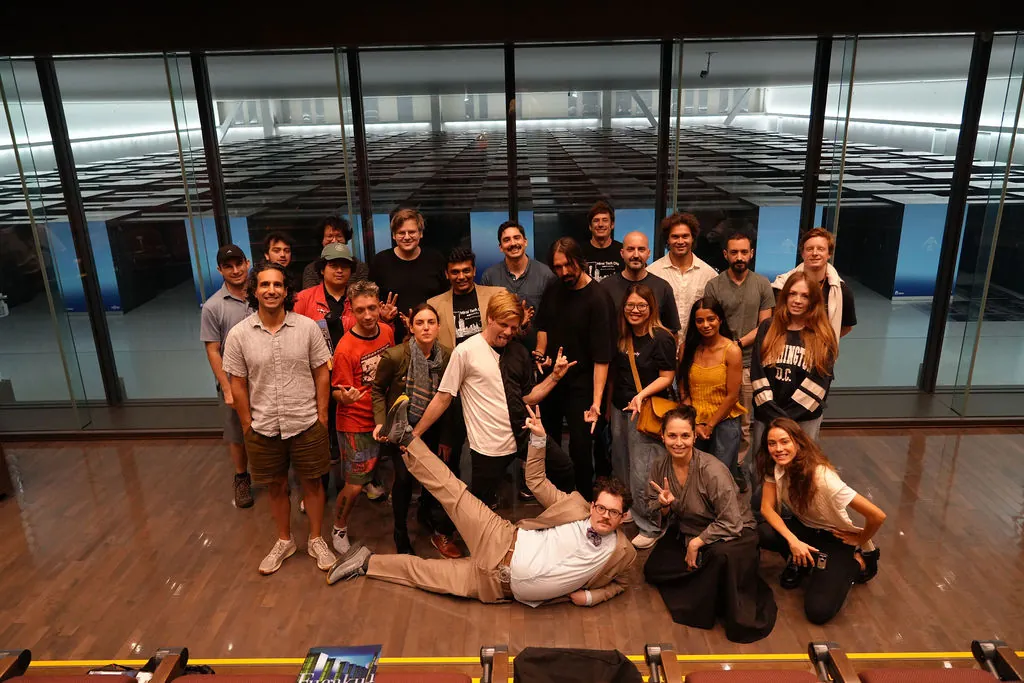
“Let’s take 200 people and put them all together in a remote village and see what happens.” — Vitalik Buterin, probably.
It is November 2026. Exactly three years ago, I was asked to help organize Vitalia, one of the first popup cities in the “Vitalik lineage.” Since then, I’ve helped organize Vitalia Summer Program, Infinita 2025, Viva City and, most recently, Mirai Tech City in Kobe, Japan. I also attended the first Edge City, Aleph/Crecimiento and ZuCity Japan.
That’s eight popup cities in 36 months, or one every 4.5 months. If you’ve been to one, you know how much of a commitment that is. Organizing one is a different job again.
Across all of them, the hardest decisions were about people: who to trust with responsibility, how to support someone without taking over their life, and when to ask someone to leave. Here are three things I’ve learned, for anyone building a community.
Pay attention to who takes out the trash
If you asked me to find the highest-agency people in a community, the ones I’d want to build with for years, I’d start by asking who wants to help take out the trash.
You meet a lot of personalities at a popup city. It takes a particular kind of person to move to a faraway country for a month with a group of strangers. Some people are great at introducing themselves, sharing ambitious ideas or explaining what they’re building. But the people who notice something needs doing and quietly do it are often the ones holding the community together.
When I was organizing Viva City, there was a Greek guy who would do whatever it took to make sure everyone was having a good time. A year later, he has a product, is preparing to raise his first round, and is still someone I’m happy to have around. What first made him stand out, though, was his willingness to help.
That’s the signal I keep coming back to: someone taking responsibility for a place they’ve only just joined.
As an organizer, your job is to notice those people, give them opportunities and support them. It’s also your job to make sure they get to enjoy the event. Being willing to help shouldn’t mean getting stuck with everyone else’s work.
Help newcomers find their footing
Some people arrive at a popup city in the middle of a big change in their lives. They’ve sold or lost a business, ended a relationship, lost a job, or reached a point where something has to change.
Offer people a month or two outside their normal lives, and you will meet people with good reasons to want that distance.
A new place and new people can help someone start again. But arriving without much stability can also leave someone vulnerable, especially when they’re looking for belonging or direction.
Organizers have a responsibility to take that seriously. Don’t use someone’s need for belonging to get work or loyalty out of them. Make opportunities and resources easy to find, instead of making yourself the person everyone has to go through.
At the same time, be careful about getting too involved in someone’s personal problems. You can care about a person without becoming responsible for rebuilding their life.
The most useful thing I’ve found is to show people what’s there: people they could meet, projects they could join, opportunities they could go after. Give them a fair chance to find their footing, and leave them room to decide what to do next.
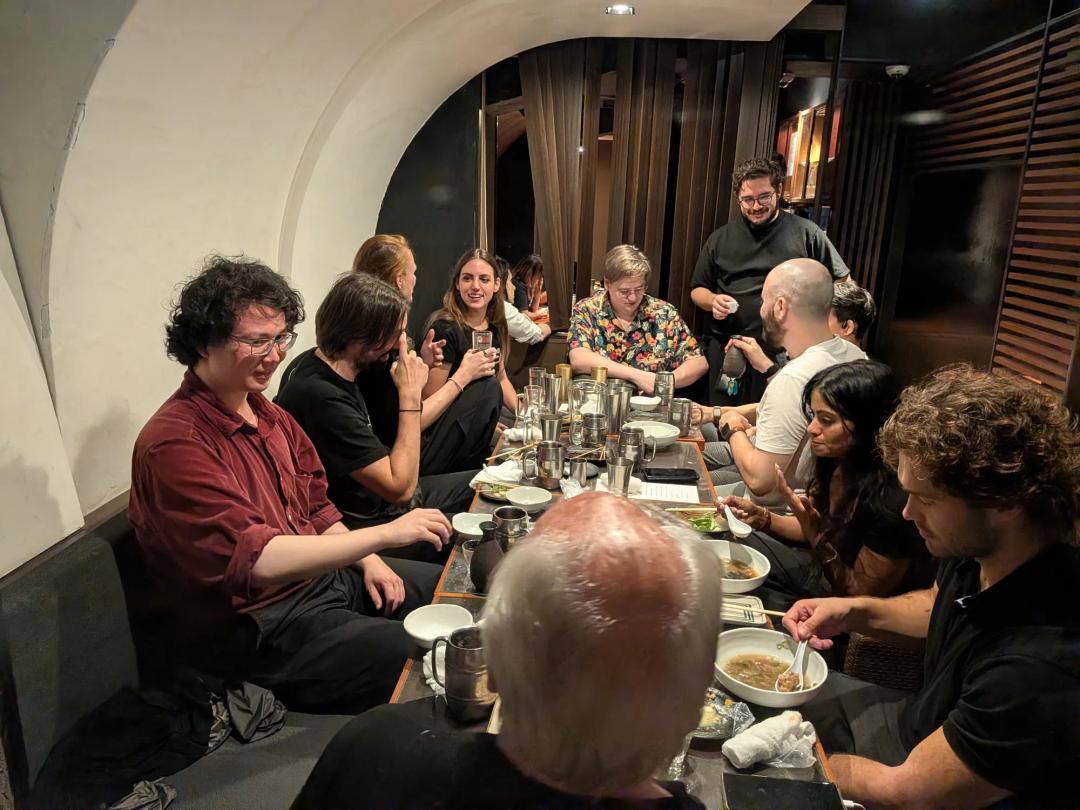
Act early when someone harms the community
One of our biggest organizing headaches came from ignoring repeated warning signs about someone’s behavior.
We gave the person several chances. The situation ended up taking a huge amount of the organizers’ time, making people feel unsafe, and keeping us from enjoying the event ourselves.
I wish we had acted sooner.
Living together makes everything more intense. You share workspaces, meals, friends and sometimes a home. A problem you could manage at a one-day conference is much harder to get away from when everyone lives together for a month.
So be specific about what the problem is. An unusual personality, an awkward interaction or a disagreement is not a reason to remove someone. Repeated boundary violations, or behavior that makes others unsafe, need a response.
Set clear expectations. When a concern comes up, raise the behavior directly and give the person a chance to respond. Where it is safe and reasonable, give them a chance to change. But when a pattern continues, or one incident is serious enough, be prepared to end their participation.
Refund the ticket. Help arrange their departure. Sometimes paying for a flight home is worth it.
Handle it discreetly. Tell the people who need to know what they need to stay safe, and keep the departure from turning into community gossip.
Our mistake was letting more chances stand in for a decision. The rest of the community paid for it.
Will I do another one?
I don’t know yet. I just came out of Mirai Tech City, and in my experience the first few months after organizing a popup city are spent wanting absolutely nothing to do with organizing another one.
Then, eventually, you gaslight yourself into doing it again.
You remember the people, the conversations, and the feeling of being surrounded by a community that would never otherwise have existed in that place and time.
Apparently, that’s enough to make you forget how tired you were.
P.S. Follow Mirai Tech City on X if you’d like to hear when we decide to do it all again.